The Betting and Gaming Council unveiled a five-point action plan on 8 June aimed at choking off online networks that allow unlicensed gambling sites to advertise, process payments and reach British consumers. The council called for tougher action from government, the Gambling Commission, social media platforms, search companies and payment providers.
The BGC said the issue is urgent because illegal operators are targeting British consumers online through social media, legitimate financial systems and gaps in enforcement. Grainne Hurst, the council’s chief executive, warned that if policymakers fail to act, more gambling will take place in environments with no safeguards, no oversight and no consumer protections.
The council says it represents about 90% of Britain’s regulated betting and gaming sector. It cast the illegal market as a fast-moving rival to the licensed industry, one that can shift platforms and replicate brands faster than regulators can respond.
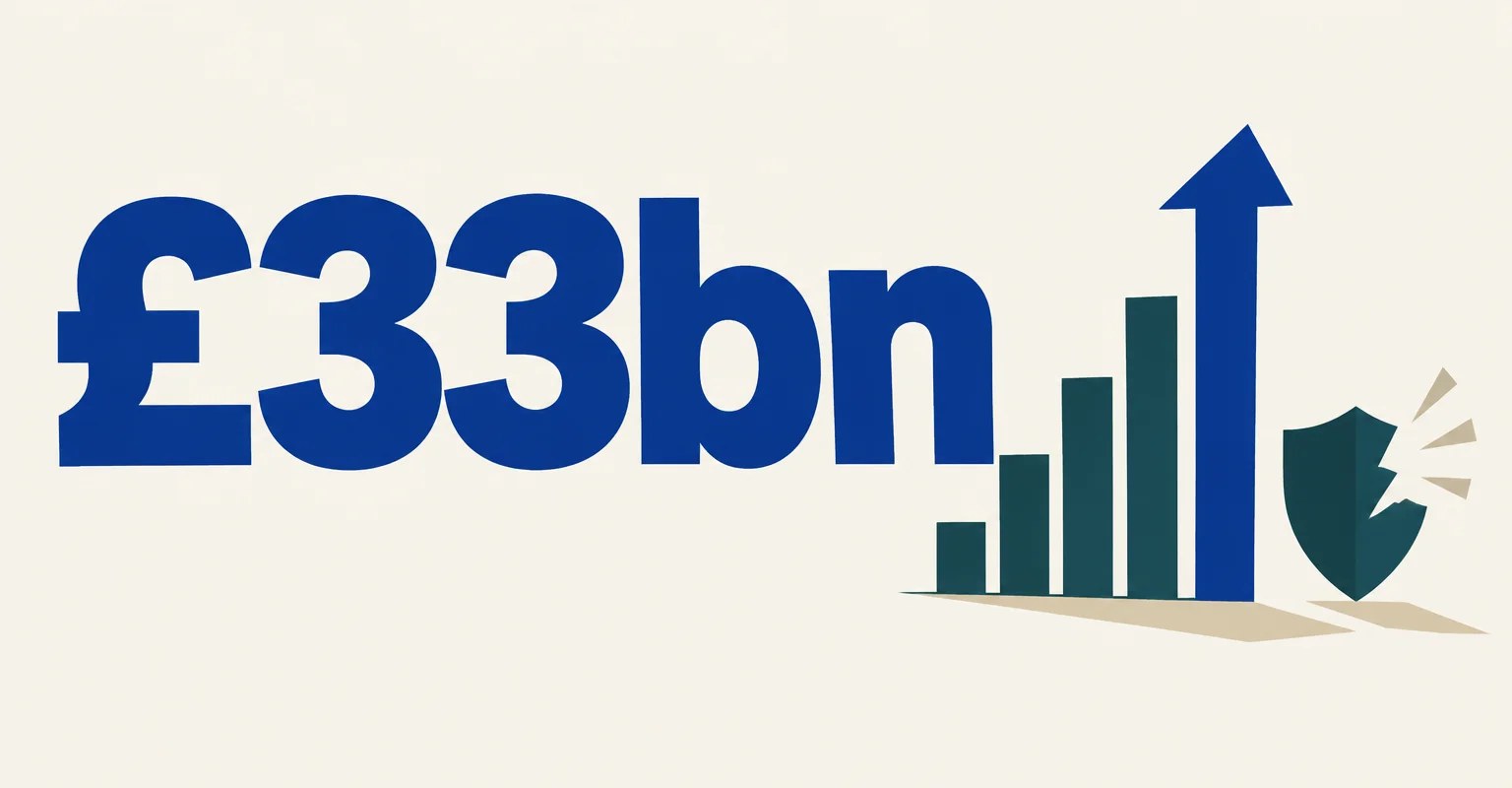
The BGC also pointed to forecasts from H2 Gambling Capital showing that stakes on illegal gambling sites could rise from £17 billion in 2025 to more than £33 billion by 2028. On the council’s reading, that would mean one in every five pounds staked online being placed with unlicensed sites.
Hurst called the H2 figures a wake-up call. She said illegal sites do not carry out safer gambling interventions, proper identity checks or age verification, and offer no route to redress when customers run into problems.
One part of the five-point plan would make social media companies responsible for removing illegal gambling promotions and preventing unlicensed operators from reaching consumers, including children and vulnerable people. The BGC cited WARC analysis suggesting illegal operators account for almost half of UK gambling advertising spend and could overtake licensed operators by 2028.
Another prong calls for stronger powers to block illegal gambling websites and remove unlicensed apps. Since April 2024, the Gambling Commission’s Illegal Markets team has issued 3,140 cease-and-desist and disruption notices, referred 447,778 Google and Bing URLs linked to illegal gambling, and secured the removal of 287,961 URLs.
The council argued that illegal operators can quickly create new websites, mirror legitimate brands and exploit online advertising routes faster than regulators can respond. It also wants payment providers to cut off transactions connected to unlicensed gambling sites.
A further proposal would introduce meaningful penalties for companies that knowingly help illegal operators through advertising, payments, hosting or other services. The BGC said firms that profit from those relationships should face consequences.
The push came weeks after the Department for Culture, Media and Sport published terms of reference for a new Illegal Gambling Taskforce. That body is meant to bring together gambling organisations, law enforcement, regulators, payment firms and technology companies, with payments, online advertising and cross-agency enforcement among its priorities.
The BGC welcomed the taskforce but said it must be turned into concrete action. Hurst said consumer protection depends not only on tougher rules for licensed operators, but on keeping gamblers inside a regulated market where safeguards, oversight and dispute mechanisms exist.
The Gambling Commission has separately said it is illegal to provide gambling facilities to consumers in Great Britain without the required licence, and that a gambling licence issued in another country does not permit an operator to offer gambling to British consumers. It also says that, in the absence of a valid defence, advertising unlawful gambling to consumers in Great Britain is a criminal offence.
In its guidance, the commission says illegal gambling undermines its licensing objectives and duties in relation to the National Lottery, poses an integrity threat to sport and may have links to wider criminality. It says illegal gambling also creates unfair competition for the licensed industry and does not contribute tax, levies or funding for sport.
In an October 2024 blog, Andrew Rhodes said tackling unlicensed gambling is central to the commission’s objective of preventing gambling from being a source of crime. The commission said its corporate strategy commits it to more investment, resources and capacity to tackle illegal gambling.
That blog also said the commission has increased the resources it dedicates to tackling unlicensed gambling over the last couple of years and has worked with regulators, operators, payment providers, internet search providers and other parts of the supply chain. It said increased use of data analytics is at the heart of the strategy, alongside consumer research through its Consumer Voice programme and test purchasing and contact with payment providers.
The commission said it was building a working relationship with Microsoft, in addition to existing collaboration with Google, to extend referral processes to Bing, Yahoo Finance and other Microsoft-powered search engines in Great Britain by October 2024. Its guide says it cannot eliminate illegal gambling entirely because of modern technology and the way criminal enterprises evolve, but it wants to make illegal gambling difficult to provide at scale.
The BGC’s own commissioned PwC review helps explain why it sees the issue as growing. Fieldwork completed in November and December 2020 found that the share of UK online gamblers using an unlicensed operator had risen from 2.2% to 4.5% since 2018/19, while estimated stakes with unlicensed operators doubled from about £1.4 billion to about £2.8 billion.
PwC also found that awareness of at least one unlicensed operator remained broadly stable at 44%, even as exposure within Google search results fell, and it said usage and spend grew over the previous one to two years despite that lower visibility. The report was based on an online survey of 2,363 active UK online gamblers and focused on online slots, casino games and betting, which account for 95% of UK online gross gambling revenue.