Gordon Brown said on BBC Radio 4’s Today programme that raising machine games duty could raise up to £500 million, money he argued could help households with energy bills.
Industry groups said higher taxes on gaming machines would alarm betting and racing interests and could accelerate the decline of Britain’s betting-shop network. The Betting and Gaming Council described the proposal as a “damaging policy” and said it “fundamentally opposes” any increase in machine games duty, warning of shop closures, job losses and more customers drifting to the black market. As covered in July, the council had already attacked the government’s planned 25% machine games duty rise.
The British Horseracing Authority said the sport would seek constructive engagement with government so ministers understood the importance of betting shops and “the value of our product, our sport”. Racing is particularly exposed because it is funded in part through betting-levy payments and media-rights agreements linked to retail gambling activity.
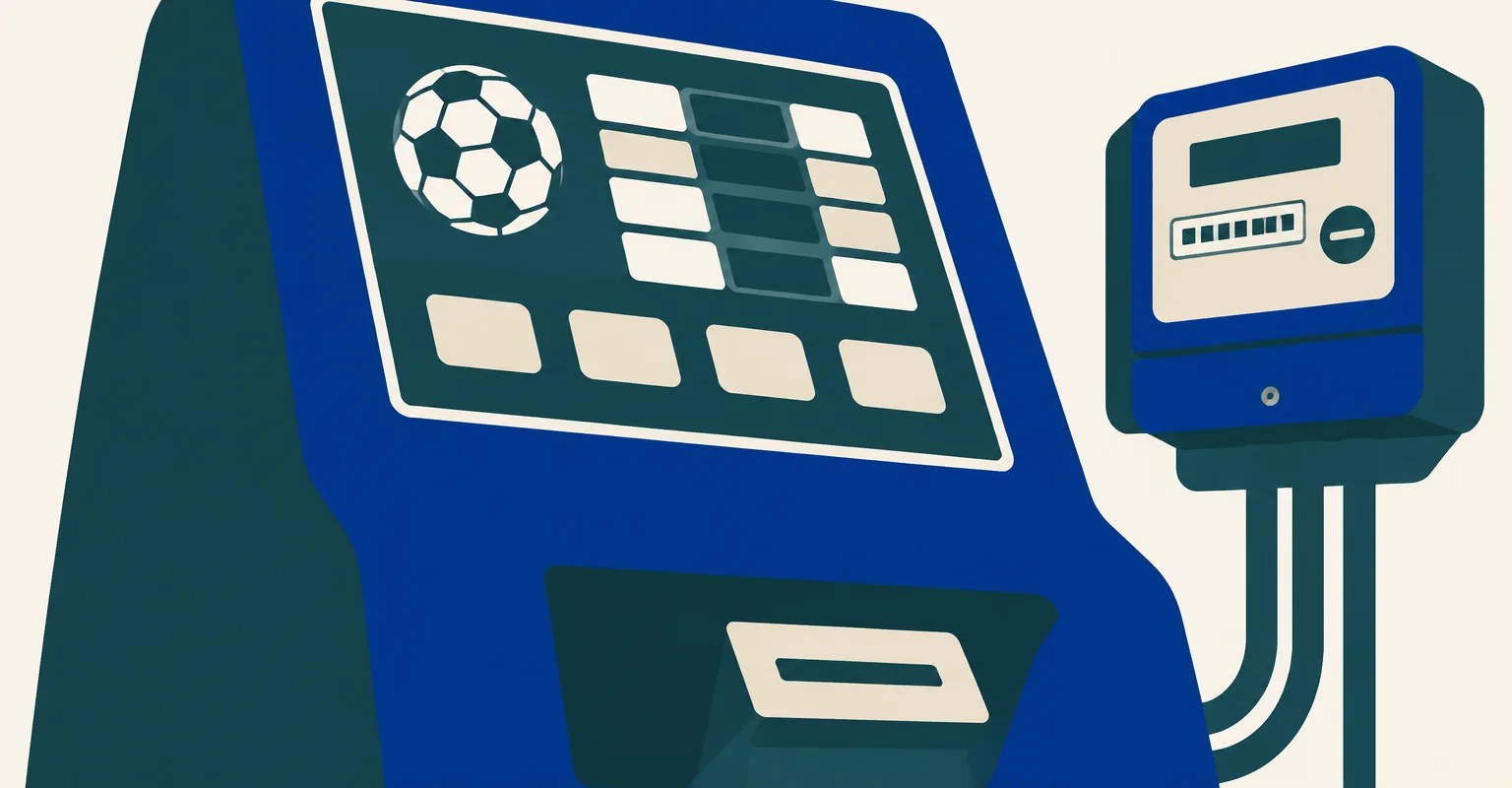
According to the government’s gambling-duty policy paper, Remote Gaming Duty rises from 21% to 40% from 1 April 2026, and a new remote General Betting Duty of 25% starts on 1 April 2027 for remote general bets. Bets on UK horseracing remain unchanged, because operators already contribute 10% towards the statutory Horserace Betting Levy, while bets placed through self-service betting terminals on licensed premises stay at 15%.
The government says the purpose of the duty changes is to raise over £1 billion a year for the public finances and to support a fairer tax system.