The UK government has confirmed that Gambling Commission operating licence fees will rise by 25% from 1 October, affecting gambling businesses across online and land-based sectors. Ministers said the fees are meant to keep the regulator on a cost-recovery footing, covering its operating costs without public funding.
According to the Gambling Commission’s 30 June consultation response, the move follows a review promised in the 2023 White Paper. The consultation ran from 27 January to 30 March and drew 47 responses, mainly from operators, suppliers and sector representatives.
DCMS rejected three earlier options, including a 30% rise, a 20% rise, and a 20% rise plus an extra 10% ringfenced for illegal-market enforcement. The changes will be made through secondary legislation, new fee categories will be introduced for most licences, and operators will be contacted in the coming weeks with details about how they will be affected. Their submitted 2025-26 regulatory return data will be used to determine the new category.
Most operating licence fees, application fees, first annual fees, personal licences, variations and corporate control changes will rise by 25%. First annual fees will stay at 75% of the full annual fee, supplementary operating licence fees and single machine permit fees will also rise by 25%, and society lottery fees will be frozen to preserve money for good causes. Ancillary society lottery licence fees will stay unchanged.
For on-course bookmakers, general betting limited operating licence fees will move from a charge based on operating days to one based on gross gambling yield. DCMS said that should reduce fees for 44% of operators in the category, while 53% will face modest increases, typically around £22.
Major operators with annual GGY above £100 million will see fees rise from about 0.1% to about 0.15% of GGY. DCMS also said more than 1,100 operators with annual GGY below £10 million will pay less in cash terms under the revised structure, and larger remote and non-remote operators could face annual fees of six figures or more.
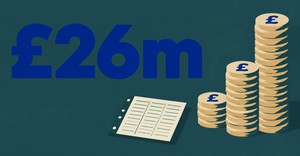
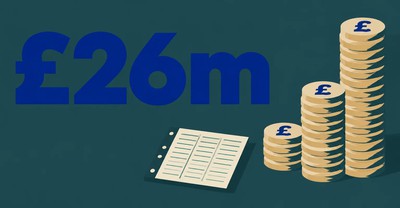
The government and the commission said the increase is needed to prevent significant reductions in regulatory work. The regulator faces an annual budget shortfall of about £4 million, and even after the fee rise it will need another £8 million in efficiency savings over the next five years. Separately, HM Treasury is providing £26 million over three years for the commission’s work against unlicensed operators.
NEXT.io reported that licence-fee income in the commission’s latest accounts was £27.4 million, and that a 25% increase would imply around £34.3 million a year, although the final figure will depend on licensing activity and the new fee structure. Earlier in 2026, remote gaming duty rose from 21% to 40% in April.
The Betting and Gaming Council said the rise adds to the financial pressures already facing regulated betting and gaming firms and called for greater accountability, transparency and efficiency from the regulator, with an evidence-led focus on consumer protection. Operators will be contacted in the coming weeks with further details about how the changes affect them.