Glasgow City Council has secured more than £3.44 million over three years from the statutory gambling levy to extend The Glasgow Project. The money will support prevention work in schools and youth services, help young people facing gambling-related debt, train workers across health, community and public services, and direct investment into three neighbourhoods identified as having the highest concentration of betting outlets.
The award lands against a stark local backdrop. A Glasgow City Council report dated 17 April 2025 said gambling harm costs the city about £15.4 million a year, and that around 42% of betting shops are in the most deprived fifth of the city, compared with 2.5% in the most affluent fifth. The same report said Glasgow has more bookmakers than anywhere else in the UK.
That update also traced the project’s recent history. The council had recognised gambling harms as a public health issue in its 2022-25 strategic plan, while a local action plan was published in March 2023 as the output of a three-year pathfinder project funded by Public Health Scotland. Governance ran through the council’s Public Health Oversight Group, and the most recent partner meeting cited in the report was held in January 2025 and chaired by Councillor Doherty, with representation from GCHSCP, Glasgow Life, Simon Community Scotland, GCVS, the Health and Social Care Alliance, the Machine Zone charity, RCA Trust and Fast Forward.
Priorities for 2026-27 include recruiting additional staff for the prevention team, revitalising the multi-agency partnership and developing a specialist financial inclusion service. The new money is also intended to help re-establish The Glasgow Project Partnership as a collaborative structure informed by lived experience and public health principles.
The levy itself began on 6 April 2025, replacing the previous voluntary model for industry contributions. The Gambling Commission now collects and administers it under government direction, with the aim of raising about £90 million to £100 million a year for research, prevention and treatment.
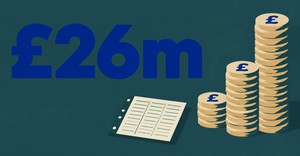
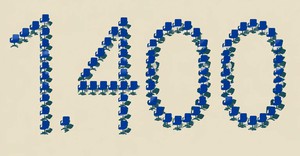
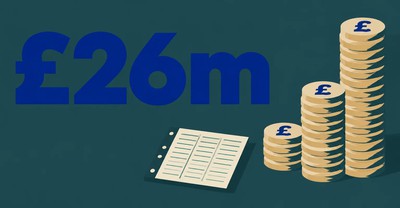
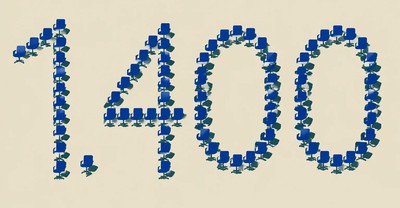
Glasgow’s award sits within a broader rollout of levy funding across Britain. In England, the Department for Culture, Media and Sport has allocated £25.4 million to 33 voluntary, community and social enterprise organisations, while Public Health Wales launched a two-year £1.4 million grants programme in July to support community-led work aimed at de-normalising gambling-related harms.
The council’s 2025 update also pointed to the scale of local and national harm. In Scotland, more than 200,000 people are estimated to be at risk of, or already experiencing, gambling-related harm, and on average six other people are affected around each of them. In Glasgow, 25% of pupils in S3, S5 and S6 said they had spent money on gambling activities in the previous month, while a 2024 survey of 4,518 adults found that one in 10 had done so, rising to 13% among people aged 25-34 and 55-64, those living in poverty and men. The report estimated that about 3,000 adults in the city go back all or most of the time to try to win back money lost, and that between 850 and 1,200 may be experiencing symptoms of gambling harms.