A new Social Market Foundation report has called for councils to be put under a legal duty to tackle gambling harm, bringing it into the same policy space as drugs and alcohol. The report argues that local services are missing chances to spot harm early, leaving many people to seek help only when their problems have become severe.
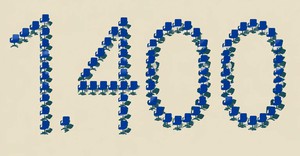
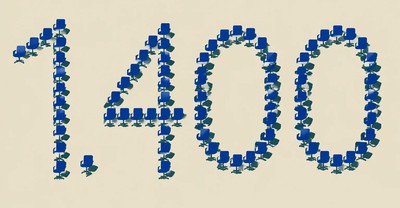
LocalGov reported that the paper, Slipping Through the Cracks, says 2.7% of British adults, about 1.4 million people, score at problem-gambling level on the Problem Gambling Severity Index. It also says NHS England recorded an almost 130% rise in referrals to gambling clinics over six months in 2024.
The report says gambling is not a prescribed public health responsibility for councils, unlike alcohol, drugs and smoking. It also says gambling is rarely included in standard screening questionnaires used by GPs and social care, which helps create a postcode lottery in access to help.
That gap means people often fall through the cracks and are helped only when harm has become serious. The report identifies a knowledge-action gap among staff, siloed services, patchy information sharing and long waiting lists as barriers to early identification.
Niamh O Regan, a senior researcher at the Social Market Foundation, said the findings show demand for support is surging while the response falls far short. In interviews with frontline staff, she said there was a chronic lack of training and resources, compounded by uneven adoption of preventative measures by local councils.
Her call was for “nothing less than a public health approach, embedded into every local authority”. Professor Durka Dougall, chief executive at the Centre for Population Health, said too many people are only identified when they reach crisis point, and that the present emphasis on prevention and population health creates an opportunity to strengthen early identification and improve outcomes.
The SMF wants councils to be legally mandated to address gambling-related harm in public health policies and to make prevention a local health priority. It also wants NHS England and the Department of Health and Social Care to ensure accessible treatment capacity nationwide, and for gambling questions to be added to patient questionnaires.
Another recommendation is the creation of a national gambling database to monitor treatment pathways across Integrated Care Boards. That would sit alongside a more consistent local response, which the report says is now fragmented and uneven.
The Local Government Association has already set out guidance saying gambling harms are widely recognised as a public health issue that needs a broad response. Its advice says councils have licensing duties but are not responsible for treatment, though they can support people into help, train frontline staff and embed gambling awareness across existing services.
The LGA guidance also says councils encounter gambling-related harm through housing, homelessness, financial inclusion, children’s services and addiction services, but that few have data showing when gambling is a contributory factor. It says gambling may drive demand on children’s, family and adult social services, housing and debt advice.
For context, the guidance says participation in any gambling activity was 44% in the year to March 2023, while 0.3% of people experienced problem gambling, 1.2% were at moderate risk and 1.8% at low risk. It also says a 2020 YouGov survey found about 3.6 million people, or 7% of adults and children in Great Britain, were negatively affected by someone else’s gambling.
The Gambling Commission has separately backed local public-health work, saying it created a network of 46 local authorities that meets every three months to share experience and support others trying to get a public health approach off the ground.