The Christian Institute has urged Andy Burnham to move quickly on gambling reform, calling for tougher limits on advertising, an end to marketing that draws in children and a lower stake cap for online gambling. The group said gambling had become a major social problem and argued that existing protections were still too weak.
In a letter, Ciarán Kelly asked for 'quick, effective action’ to curb gambling advertising, stop what he called the industry’s grooming of children to gamble, and cut the stake limit for all online gambling. He said the institute had warned during the passage of the Gambling Act 2005 that deregulation would cause harm, and argued that those warnings had been borne out.
The group said the Gambling Commission estimated 1.3 million British adults were problem gamblers last year. It also said the consequences could include relationship breakdown, suicidal thoughts, cutting spending on everyday items and missing work.
The Gambling Commission says adults aged 25 and over may stake up to £5 per game cycle, while those aged 18 to 24 may stake up to £2, limits that took effect in 2025 under regulations affecting online slots only, not other casino games such as roulette or blackjack.
The Christian Institute acknowledged that the government had already lowered maximum stakes for online slots and introduced financial checks for problem gamblers, but said more action was needed against what it called a scourge on society. The current rules were confirmed by a statutory instrument that added a new condition to remote casino operating licences.
The regulator also sets out strict rules on gambling marketing. It says communications must not include a child or young person, and that nobody who is or appears under 25 may be featured gambling or playing a significant role except in limited transactional-facility settings. In all other places, including social media, under-25s must not feature.
In June, the Gambling Commission launched an AI-based sweep to check content marketing and warned operators that breaches could lead to immediate removal of an ad and possible sanctions. It said the exercise was designed to protect children, young people under 18 and other vulnerable people from gambling advertising that features or promotes gambling.
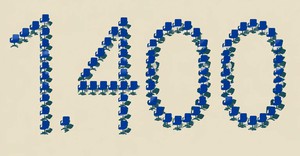
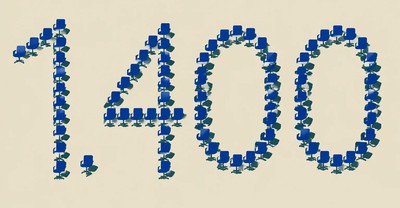
The wider concern is exposure. In the commission’s 2025 report on young people and gambling, 79% said they had seen or heard gambling adverts or promotions at some point, with TV the most common offline source and apps and social media among the leading online ones. Separate commission figures reported by The Guardian last October put the number of British adults with a gambling problem at 1.4 million, or 2.7% of adults scoring 8 or above on the problem gambling severity index.