The Gambling Commission has widened its action against illegal gambling beyond removing websites, saying it will pursue the money, assets and commercial infrastructure that allow unlicensed operators to serve customers in Great Britain.
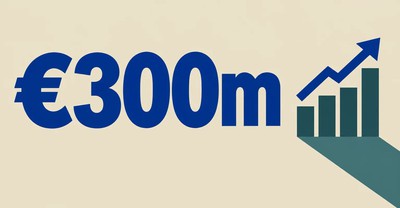
Since January, the regulator has referred more than £40 million in suspected criminal funds to partner agencies for potential asset-freezing action. It is also continuing to work with law-enforcement agencies to seize cash at illegal land-based gambling operations.
Sue Young, the Commission’s executive director of operations, said the regulator was pursuing “illegal operators, their businesses and their money.” The expanded approach includes disrupting payments, limiting advertising and preventing operators from obtaining the games and sportsbooks on which they rely.
Website action remains a substantial part of the campaign. The Commission has issued more than 1,000 cease-and-desist notices in 2026-27, referred more than 7.8 million URLs to search engines and more than 3 million have been removed from search results. More than 2,200 websites have also been referred for disruption action.
URL referrals rose from 147,721 in the first quarter to 7.7 million in the second, an increase of more than 5,000%. As covered earlier this month, the recent rise in URL removals followed an increase in the Commission’s enforcement activity against the illegal market.
The regulator’s own earlier research suggests that search removal alone has limits. Across roughly 160 illegal gambling websites with available traffic data, engagement fell by an average 32% after disruption, while geo-blocking and registrar blocks appeared more effective because they restrict access rather than simply making sites harder to find.
The Commission said its wider work depends on intelligence sharing, early reporting, evidence support, strategic engagement and consumer protection, working with law enforcement, technology companies, financial businesses and licensed operators. It also said illegal operators adapt through domain rotation, cloaking and embedding gambling content in otherwise unrelated websites.
The announcement coincided with the first Illegal Gambling Awareness Week, which ran from Nov. 9 to 13 as an International Association of Gaming Regulators campaign intended to strengthen collaboration among regulators, industry and law enforcement.
An International Federation of Horseracing Authorities report offered a more critical assessment of enforcement results. It said sampled unlicensed horse-racing betting sites received 19 UK visits for every 100 visits to legal sites, up from one per 100 in late 2021, and argued that rising notices and URL removals had not yet produced a sustained reduction in illegal traffic.